
Recalled Pasta Meals Listeria Outbreak: 6 Dead, Dozens Hospitalized Across the U.S.
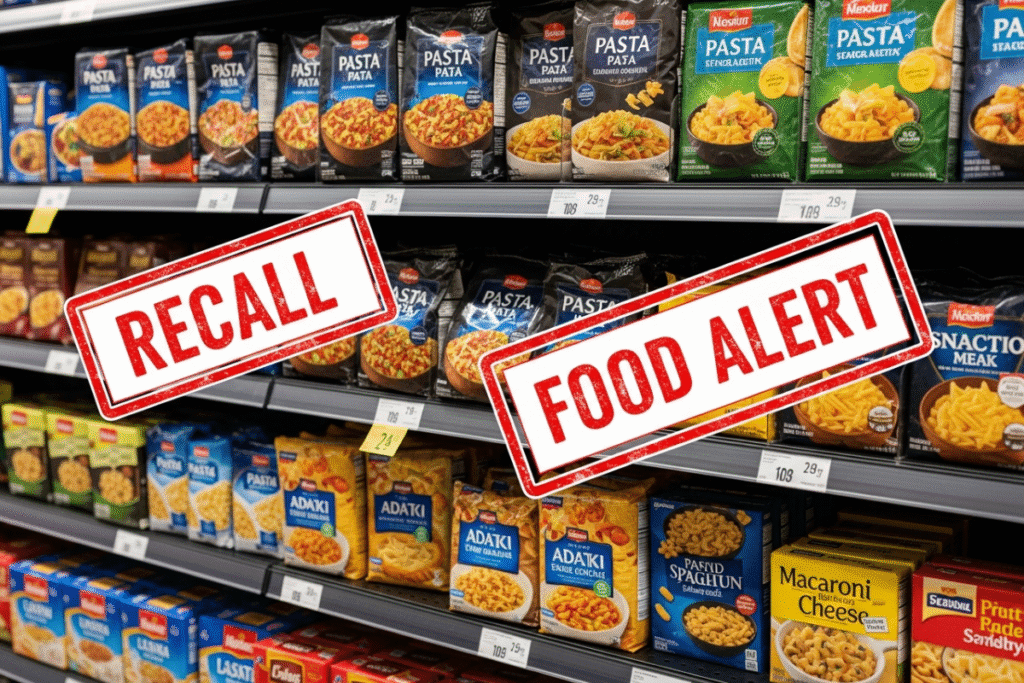
A major recalled pasta meals listeria outbreak has shaken the United States, claiming six lives and hospitalizing more than two dozen people. Federal health officials are urging consumers to check their kitchens immediately, as the contaminated precooked pasta meals were sold in major grocery chains including Trader Joe’s, Walmart, and Kroger.
Recalled Pasta Meals Listeria Outbreak Hits Nationwide
The nationwide recall has triggered growing concern about the safety of ready-to-eat pasta dishes, especially those distributed under private-label brands.
Table of Contents
What Is Listeria and Why It’s Dangerous
Listeria monocytogenes is a harmful bacterium that can contaminate ready-to-eat foods, leading to listeriosis — a serious infection that can be fatal.
Those at highest risk include:
- Pregnant women
- Newborns
- Older adults
- Individuals with weakened immune systems
Symptoms can appear within days to weeks and include fever, muscle aches, diarrhea, headache, stiff neck, confusion, and loss of balance.
For pregnant women, the infection can result in miscarriage, stillbirth, or severe newborn illness.
Recalled Pasta Meals Linked to Listeria Contamination
Health officials have traced the recalled pasta meals listeria outbreak to precooked pasta supplied by Nate’s Fine Foods, which was distributed to several national retailers.
Consumers should immediately discard or return the following affected products:
- Trader Joe’s Fettuccine Alfredo with Cajun Style Blackened Chicken Breast (16 oz)
- Marketside Linguine with Beef Meatballs & Marinara Sauce (12 oz)
- Marketside Grilled Chicken Alfredo with Fettuccine (12.3 oz)
- Home Chef Chicken Fettuccine Alfredo (12.5 oz)
- Albertsons, Safeway, and Vons deli pasta salads
- Demers Food Group’s Scott & Jon’s Shrimp Scampi with Linguini Bowls (9.6 oz)
- Kroger deli bowtie and penne pasta salads
- Smoked mozzarella pasta salads from Sprouts Farmers Market and Giant Eagle
Because these meals are ready-to-eat, they pose a high risk of listeria exposure if consumed without reheating.
Where the Outbreak Has Spread
As of the latest CDC report, 27 individuals across 18 states have been affected, with 25 hospitalizations and six confirmed deaths.
States with reported cases include:
California, Florida, Hawaii, Illinois, Indiana, Louisiana, Michigan, Minnesota, Missouri, North Carolina, Nevada, Ohio, Oregon, South Carolina, Texas, Utah, Virginia, and Washington.
Multiple fatalities were reported in Hawaii, Illinois, Michigan, Oregon, Texas, and Utah, with one case linked to pregnancy resulting in fetal loss.
How the Listeria Source Was Discovered
Investigations by the FDA and CDC revealed that fresh pasta used in prepared meals tested positive for listeria. Advanced whole genome sequencing confirmed the bacteria matched the outbreak strain.
The recall has since expanded to include multiple pasta types — including fettuccine, linguine, and farfalle — as federal authorities continue to track and contain the contamination.
Steps to Take If You Own a Recalled Item
If you have any of the listed meals, act immediately:
- Stop eating the product.
- Check the packaging against official recall lists on the FDA or CDC websites.
- Seek medical attention if you experience symptoms, especially if pregnant.
- Return or dispose of the affected items safely.
How to Prevent Listeria Infection at Home
- Keep refrigerated foods below 40°F (4°C).
- Reheat ready-to-eat meals thoroughly before eating.
- Wash hands, utensils, and surfaces after handling refrigerated foods.
- Subscribe to FDA and CDC recall alerts to stay informed.
Conclusion
The recalled pasta meals listeria outbreak is a reminder of how quickly foodborne illnesses can spread. Consumers should check their kitchens, stay alert to recall notices, and follow proper food safety practices. Acting quickly and staying informed can prevent serious illness – and even save lives.
For more on recent food recalls and safety alerts, check out our related article:
Egg Recall: What You Need to Know About the Latest Food Safety Warning
FAQs About Recalled Pasta Meals and Listeria
1. Which pasta meals are recalled due to listeria?
Several precooked pasta dishes from Trader Joe’s, Walmart, Kroger, Albertsons, and Sprouts—including chicken alfredo, shrimp scampi, and beef linguine—are part of the recall.
2. What pasta was recalled because of Listeria?
Brands such as Trader Joe’s, Home Chef, Marketside, and Kroger deli pasta salads were recalled due to confirmed listeria contamination.
3. What is Listeria in pasta?
Listeria in pasta occurs when Listeria monocytogenes bacteria contaminate ready-to-eat or refrigerated pasta products, often during production or packaging.
4. Can Listeria be killed by cooking?
Yes. Listeria is destroyed by heat—cooking foods thoroughly to 165°F (74°C) eliminates the bacteria.
5. What foods are being recalled for Listeria?
In addition to pasta, soft cheeses, deli meats, bagged salads, and frozen meals are often recalled due to listeria contamination risks.
6. Does washing lettuce remove Listeria?
No. Washing may reduce but does not fully remove listeria, as it can cling tightly to produce surfaces or internal tissues.
7. What naturally kills Listeria?
High heat, pasteurization, and natural acids like vinegar or lemon juice can reduce listeria levels, though not always completely.
8. What are the first signs of Listeria?
Early symptoms include fever, fatigue, muscle aches, diarrhea, and nausea—progressing to headache and confusion in severe cases.
9. Why can’t you eat leftover pasta?
Leftover pasta, especially if left out or refrigerated for too long, can harbor bacteria like listeria and bacillus cereus, leading to foodborne illness.
10. What should I do if I’ve eaten a recalled meal?
If you have consumed a recalled pasta meal and develop symptoms, contact your healthcare provider immediately for testing and treatment.
11. Where can I find official recall information?
Visit the FDA’s recall page (fda.gov) or the CDC’s outbreak tracker (cdc.gov) for verified updates and safety instructions.




Leave a Reply