Massive Hamburger Chain Restaurant Closures 2025 – Find Out Which Are Shutting Down
In 2025, the fast-food world is facing a major shakeup as hamburger chain restaurant closures dominate headlines. From financial pressures to shifting consumer behavior, several chains—most notably Wendy’s—are closing hundreds of locations across the United States. But what’s driving these closures, and what does it mean for customers, franchisees, and the fast-food industry?
Table of Contents
Why Hamburger Chain Restaurant Closures Are Happening in 2025
Inflation and Rising Costs
Consumers are tightening their budgets as prices soar. Food away from home inflation has been climbing steadily, with costs rising 4.1% in 2024 and continuing to impact dining choices in 2025. Labor costs have also jumped, with 82% of restaurants experiencing 1–5% wage increases, and some facing as much as 14% growth in labor expenses.
For chains like Wendy’s, which has traditionally positioned itself as a quality-focused option rather than a budget-friendly choice, these rising costs have made it harder to compete with lower-cost alternatives. Casual dining restaurants, like Chili’s, are enticing price-conscious customers with value meals, blurring the lines between fast food and sit-down dining.
Declining Foot Traffic and Sales
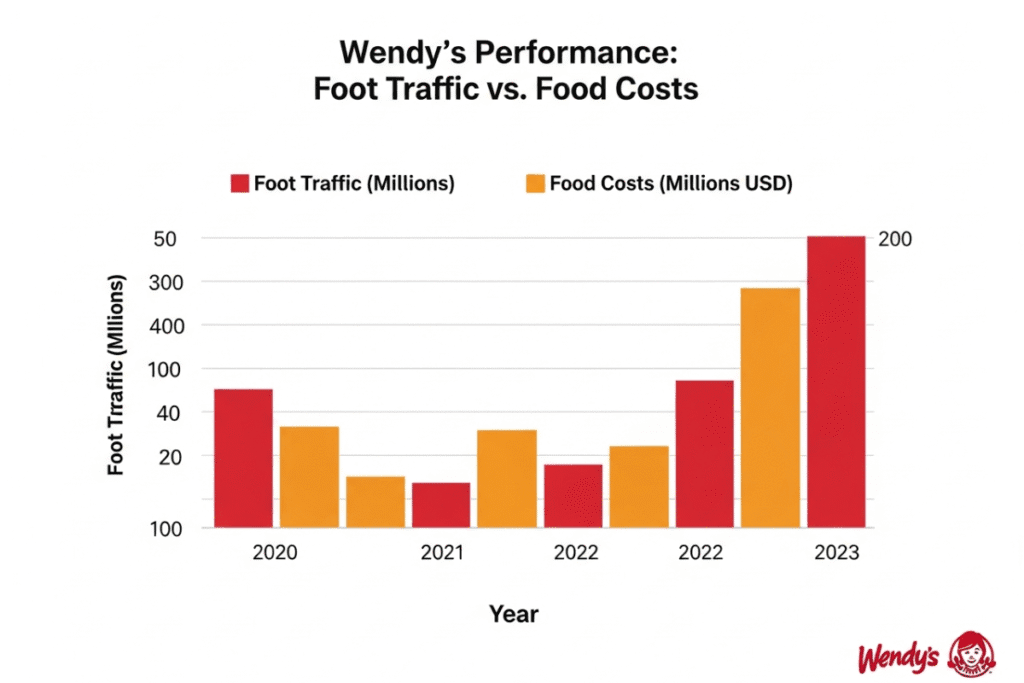
Wendy’s has reported declining U.S. same-store visits:
- July 2025: -4.9%
- August 2025: -4.3%
- September 2025: -9.9%
System-wide sales were down 2.6% on a constant currency basis in Q3 2025, while competitors like McDonald’s, Burger King, and Shake Shack maintained positive growth.
Underperforming Locations
As part of its turnaround plan, Wendy’s interim CEO Ken Cook announced the closure of a mid-single-digit percentage of U.S. locations, totaling 200–350 restaurants. These closures target consistently underperforming locations that drag down overall performance.
According to Cook:
“Closures of underperforming units are expected to boost sales and profitability at nearby locations and enable franchisees to invest more capital and resources in their remaining restaurants.”
The closures will begin in late 2025 and continue into 2026, improving efficiency and strengthening the system overall.
Social and Cultural Reactions
Not all reactions have been about business. Earlier this year, Wendy’s became part of a social media controversy involving Katy Perry. After the chain mocked Perry’s Blue Origin flight in April 2025, her manager publicly celebrated Wendy’s restaurant closures via Instagram.
These incidents show how brand image and public perception intersect with operational decisions—fueling discussions online that keep chains like Wendy’s in the spotlight.
Competitor Strategies
While Wendy’s struggles with traffic and closures, competitors are taking advantage:
- Chili’s: Offers value-focused deals like the “3 for Me” menu, attracting cost-conscious consumers and boosting foot traffic by over 15% in Q3 2025.
- McDonald’s & Burger King: Continue strong marketing and menu promotions to maintain their customer base.
- Shake Shack: Maintains positive growth through premium positioning and marketing campaigns.
These strategies highlight the competitive pressures driving closures in the hamburger sector.
What About New Products?
Despite closures, Wendy’s is investing in menu innovation. The launch of its chicken tenders, Tendys, has seen such high demand that some locations sold out before advertising began. These product launches are designed to reinvigorate customer interest and stabilize revenue streams at remaining locations.
What This Means for Consumers
- Fewer locations could mean longer drives to visit your local Wendy’s.
- Consumers may see price adjustments as chains try to offset higher labor and food costs.
- Menu innovations and promotions may help maintain customer engagement, even as closures continue.
Looking Ahead: The Future of Hamburger Chains
Analysts expect that closures, while inconvenient, will strengthen remaining stores and improve overall profitability. Chains may also continue expanding value-focused promotions and introducing new menu items to attract customers.
we recommend checking our related analysis on recent food‑safety alerts and recalled pasta meals for additional context.
Conclusion
The wave of hamburger chain restaurant closures in 2025 highlights the challenges facing the fast-food industry. Rising labor and food costs, declining foot traffic, and fierce competition are forcing chains like Wendy’s to close hundreds of underperforming locations. While these closures may inconvenience some customers, they are part of a broader strategic plan to strengthen remaining stores, boost profitability, and invest in new products like Wendy’s popular Tendys chicken tenders.
For consumers, staying informed about closures, promotions, and menu innovations will be key to navigating the changing fast-food landscape. As the industry adapts, closures may ultimately lead to a leaner, more efficient hamburger sector, better prepared to meet customer expectations and compete in a challenging market.
Frequently Asked Questions About Hamburger Chain Restaurant Closures
1. Which hamburger chain is closing?
Currently, Wendy’s is the main hamburger chain announcing closures, with approximately 200–350 U.S. locations set to shut down between late 2025 and 2026.
2. Why is Wendy’s closing 140 restaurants?
These closures target underperforming stores that drag down overall sales and profitability. The 140-store closure is part of past system optimization efforts.
3. Why has Burger King shut down?
Burger King may close locations due to declining traffic, local underperformance, or strategic restructuring, though the scale is smaller compared to Wendy’s recent closures.
4. Is a burger chain closing 79 locations?
Some local or regional chains may also announce closures. Always check official press releases for exact numbers and affected stores.
5. What are the three largest hamburger chains?
The largest hamburger chains globally are:
McDonald’s
Burger King
Wendy’s
6. What is the 30 30 30 rule for restaurants?
The 30-30-30 rule is a financial guideline for restaurant profitability: roughly 30% of revenue goes to labor, 30% to food costs, and 30% to overhead expenses.
7. Why are people boycotting Wendy’s?
Some boycotts have emerged due to controversial social media posts or dissatisfaction with pricing, closures, or perceived corporate decisions.
8. Why are high-end restaurants closing?
High-end and casual dining closures are often caused by rising labor and food costs, inflation, and changing consumer spending habits, similar to the pressures affecting hamburger chains.



Leave a Reply