Frozen Blueberries Recalled Nationwide Over Listeria Risk – FDA Issues Class 1 Warning
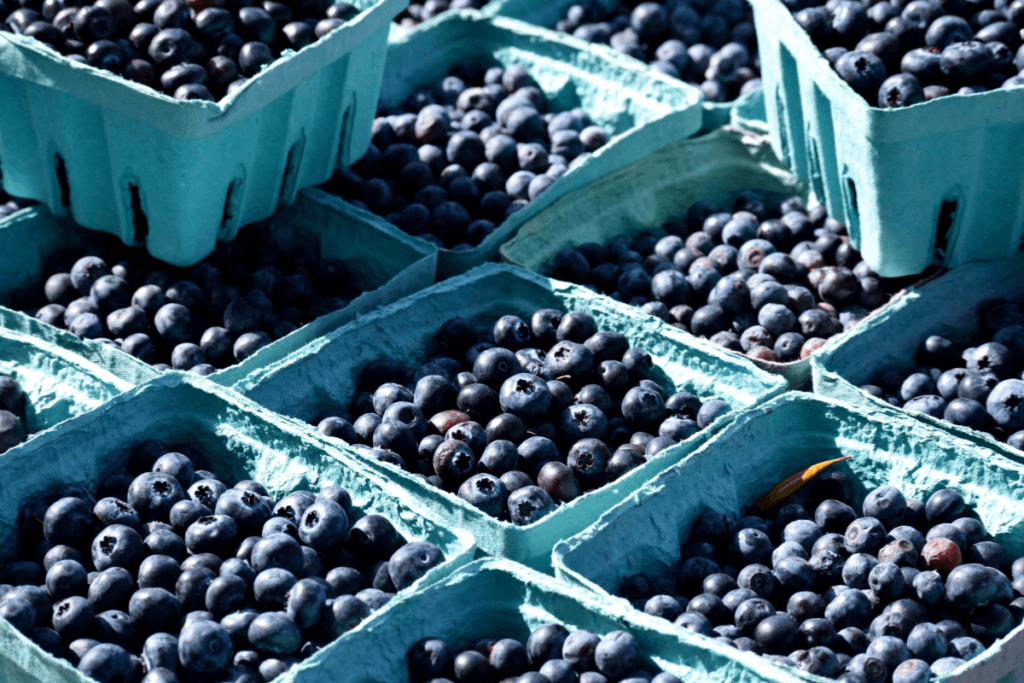
Frozen blueberries recalled nationwide after the U.S. Food and Drug Administration upgraded the safety warning to Class I due to possible contamination with Listeria monocytogenes, a bacterium that can cause severe illness.
The recall was voluntarily initiated by Oregon Potato Company, operating as Willamette Valley Fruit Company. On February 24, the FDA officially classified the recall as Class I, the agency’s most serious designation.
A Class I recall means there is a reasonable probability that consuming the product could result in serious adverse health consequences or death.
Table of Contents
How Many Blueberries Are Affected?
The recall involves 55,689 pounds of individually quick frozen (IQF) blueberries.
The affected products were distributed in:
- Michigan
- Oregon
- Washington
- Wisconsin
- Canada
According to regulators, the blueberries were not sold directly to consumers in retail stores, but were distributed within supply chains between businesses.
Recalled Lot Codes and Expiration Dates
The affected blueberries were packaged in:
30-Pound Cases
Lot codes:
- 2055 B2
- 2065 B1
- 2065 B3
Expiration dates:
- July 23–24, 2027
1,400-Pound Bulk Totes
Lot codes:
- 3305 A1
- 3305 B1
Expiration date:
- November 25, 2027
The products were packed in polyethylene liners inside corrugated cases or large industrial totes.
Why Is Listeria Dangerous?
Listeria monocytogenes can cause a serious infection known as listeriosis.
While healthy adults may experience mild symptoms such as:
- Fever
- Nausea
- Diarrhea
The infection can be life-threatening for:
- Pregnant women
- Newborns
- Adults over 65
- People with weakened immune systems
One critical concern is that Listeria can survive and grow in refrigerated environments. Freezing does not reliably eliminate the bacteria.
Has Anyone Reported Illness From the Frozen Blueberries Recalled?
At the time of the FDA classification, no public announcement confirmed reported illnesses linked to this recall. The recall remains ongoing.
Consumers or businesses concerned about potential exposure should contact health professionals or report symptoms to federal food safety authorities.
The frozen blueberries recalled were flagged due to potential contamination with Listeria monocytogenes. Routine safety monitoring identified the possible presence of the bacteria, prompting the company to initiate the recall on February 12 before regulators elevated the severity classification. For a similar case of a Listeria-related recall, see our coverage of the Ventura Foods salad dressing recall on Balsam Kitchen.
Conclusion
The frozen blueberries recalled case underscores the seriousness of food safety monitoring in large-scale supply chains. With 55,689 pounds of product affected and the U.S. Food and Drug Administration upgrading the action to a Class I recall, this is considered the agency’s highest risk level — indicating a reasonable probability of severe health consequences.
The recall involves products from Oregon Potato Company, distributed across multiple U.S. states and Canada, though not sold directly at retail. The concern centers on potential contamination with Listeria monocytogenes, a bacterium that can pose life-threatening risks to vulnerable populations including pregnant women, older adults, and individuals with weakened immune systems.
While no widespread illnesses have been publicly confirmed, the recall remains active. Businesses that received affected lot codes should immediately isolate inventory and halt distribution pending further guidance.
Consumers and supply-chain partners should continue monitoring official updates as regulators investigate and ensure contaminated products are fully removed from circulation.
This developing situation highlights why rapid regulatory intervention and transparent reporting remain critical in protecting public health.





Leave a Reply