Dubai Chocolate Recall: Salmonella Concerns Trigger Urgent Health Warning in Canada
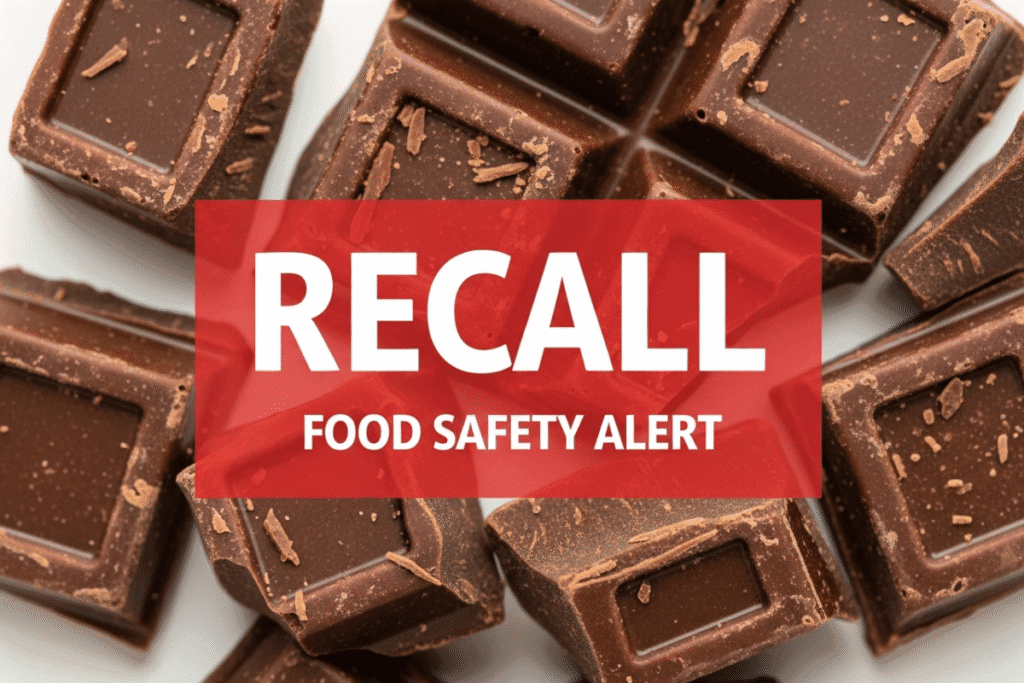
Dubai chocolate recall has sparked health concerns in Canada after authorities warned of possible Salmonella contamination in products sold across Ontario. The Canadian Food Inspection Agency (CFIA) urged consumers to avoid eating the affected chocolate, emphasizing the risks of foodborne illness linked to imported sweets. This incident serves as a reminder of how essential strict food safety standards are — even for products as beloved as chocolate.
A batch of Dubai chocolate sold across Ontario, Canada, has been recalled over potential Salmonella contamination, according to a notice from the Canadian Food Inspection Agency (CFIA).
Table of Contents
What Happened
The CFIA reported that unbranded Dubai chocolate, sold in variable sizes between May 28 and September 4, has been linked to a nationwide Salmonella investigation. The chocolate was distributed through several Ottawa stores located at:
- 91 Richmond Road
- 1702 Bank Street
- 4471 Innes Road
- 115 Clarence Street
The recall comes amid an ongoing outbreak connected to pistachio and pistachio-containing products, which has already caused over 100 confirmed illnesses across Canada.
Product Details
- Product name: Dubai chocolate (unbranded)
- Reason for recall: Possible Salmonella contamination
- Packaging: Variable sizes, clerk-served
- Distribution area: Ontario (Ottawa stores listed above)
- Best before dates: May 28 – Sept. 4, 2025
Consumers are strongly advised not to eat the recalled chocolate and to dispose of it immediately or return it to the place of purchase.
Health Risks: Understanding Salmonella
Salmonella is a bacteria that causes foodborne illness, often invisible to sight or smell. Symptoms can appear 12 to 72 hours after eating contaminated food and may include:
- Diarrhea and abdominal cramps
- Fever, chills, and nausea
- In severe cases, dehydration and hospitalization
While most healthy adults recover within a week, young children, the elderly, pregnant women, and immunocompromised individuals face higher risk of severe infection.
What To Do If You’ve Consumed the Product
Anyone who has eaten the recalled chocolate and develops symptoms should:
- Seek medical attention immediately.
- Inform healthcare providers about the possible Salmonella exposure for proper testing.
- Report the illness to local health authorities.
Ongoing Investigation
The CFIA said the recall was triggered by its own test results and is part of a broader food safety investigation. Additional products may be recalled as the investigation continues.
How to Stay Safe
- Always check CFIA recall alerts before consuming imported or clerk-served chocolate.
- Avoid unbranded sweets that lack proper packaging or labeling.
- Wash hands, utensils, and surfaces that may have come into contact with recalled food.
For the latest updates on this case, visit the CFIA official recall database or follow trusted food safety outlets.
Conclusion
The Dubai chocolate recall highlights the growing importance of food safety vigilance in today’s global market. Even trusted products can pose hidden risks when contaminated during production or distribution. Consumers are urged to stay informed, follow official recall updates, and handle all food items with care.
By staying alert and checking recall notices from agencies like the CFIA, Canadians can protect themselves and their families from preventable foodborne illnesses – ensuring that every treat remains safe to enjoy.
For the most up-to-date information on the Dubai chocolate recall, visit the Canadian Food Inspection Agency’s official recall page.
For more tips on kitchen safety and handling food products, you can check out our guide on the Keurig Lawsuit Settlement for insights on safe coffee and home appliance practices.
FAQs About Dubai Chocolate Recall
1. Which Dubai chocolate is recalled?
The Dubai chocolate recalled by the CFIA is an unbranded chocolate sold in variable sizes across several Ottawa stores between May 28 and September 4, 2025. Consumers are urged to avoid these batches due to possible Salmonella contamination.
2. Is it okay to eat Dubai chocolate?
Only Dubai chocolate not listed in the recall notice is safe to eat. Always check the CFIA recall database or contact the store where you purchased it to confirm product safety before consumption.
3. What chocolate is being recalled?
The recall applies to unbranded Dubai chocolate sold at select Ottawa locations. It has no UPC code and was clerk-served. The recall is part of a nationwide Salmonella investigation involving pistachio-based products.
4. Is Dubai chocolate good quality?
Generally, Dubai chocolate is known for its rich flavor and premium ingredients, but quality can vary by supplier. Always purchase from trusted retailers that use proper labeling, storage, and hygiene standards.
5. Is Habibi Dubai chocolate safe?
Yes, Habibi Dubai chocolate has not been affected by the recall at this time. However, it’s always recommended to double-check the packaging and CFIA website for official updates.
6. How do I check if my chocolate is recalled?
Visit the Canadian Food Inspection Agency’s recall page, enter the product details, and look for your chocolate’s name, batch date, or location. You can also contact the retailer directly for confirmation.
7. Can I kiss my girlfriend in Dubai?
While Dubai is known for its modern lifestyle, public displays of affection like kissing in public can be considered offensive or illegal under UAE laws. It’s best to show affection privately and respect local customs.
8. Why is Dubai chocolate so viral?
Dubai chocolate went viral on social media for its luxurious packaging, unique flavors, and association with Middle Eastern hospitality. The recent recall notice has also increased public attention online.
9. Does chocolate is haram in Islam?
Chocolate itself is not haram — it’s halal as long as it doesn’t contain alcohol, animal-derived gelatin, or other non-halal ingredients. Most commercial chocolates, including Dubai brands, are safe for Muslim consumers.


Leave a Reply