
Corned Beef and Cabbage Recipe: A Medieval Dish With a Fascinating History
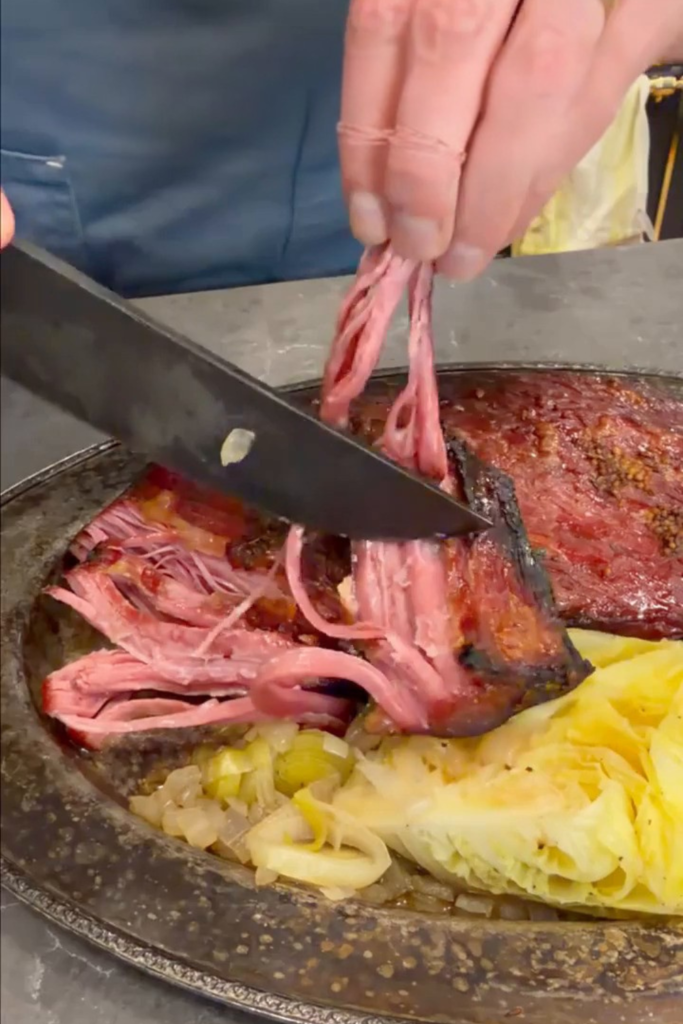
Corned beef and cabbage is widely known today as a classic meal associated with St. Patrick’s Day in the United States. Many people believe it is a traditional Irish dish, but its story is much more interesting and goes back hundreds of years.
While Irish immigrants helped popularize corned beef in cities like Boston and New York, the origins of salted beef actually reach much further into medieval cooking traditions. Long before it became a holiday meal in America, salted beef and cabbage were already part of historical European recipes.
This dish combines simple ingredients, traditional preservation methods, and flavors that have stood the test of time.
Table of Contents
The Medieval Origins of Corned Beef
For much of the last five centuries, pork was the main meat eaten in Ireland. This happened because large portions of Ireland’s cattle production were controlled by the English and often used to supply the British military.
However, in medieval Ireland, cows represented wealth and status. Owning cattle was a sign of prosperity among Irish nobility. Butter and dairy products were also important staples of the Irish diet.
When a cow was slaughtered, preserving the meat was essential. One of the most effective ways to do this was by packing the beef in large grains of salt known as “corns of salt.” This method of preservation is where the name corned beef comes from.
The term has nothing to do with corn. It simply refers to the coarse salt crystals used to cure the meat.
A 12th Century Reference to Corned Beef
One of the earliest descriptions of corned beef appears in a 12th century Irish poem called The Vision of Mac Conglinne.
The poem mentions “tender corned beef and honey in the comb… the English salt.” This suggests that the beef was rubbed with salt and honey before cooking.
This combination might seem unusual today, but it creates a surprisingly balanced flavor. The salt preserves the meat and adds depth, while the honey gives a subtle sweetness that forms a glaze during cooking.
Cabbage in Medieval Cooking
The cabbage served with this dish comes from another historical recipe dating back to the 14th century. In medieval English cooking, cabbage was often prepared as part of a dish called pottage.
Pottage was a thick soup or stew made with vegetables and broth. In the cabbage version, the vegetable was simmered with leeks and onions in beef broth.
Although the ingredients are simple, the slow cooking process develops a rich flavor that pairs perfectly with salted beef.
Ingredients for Corned Beef and Cabbage
To recreate this medieval inspired dish at home, you only need a few basic ingredients.
For the Corned Beef
- 1.5 kg beef brisket
- 3 tablespoons coarse salt
- 2 tablespoons honey
- 4 cups water
- 1 bay leaf
- 1 teaspoon black pepper
For the Cabbage
- 1 medium green cabbage, chopped
- 2 leeks, sliced
- 1 onion, chopped
- 2 cups beef broth
- 1 tablespoon butter
- salt and pepper to taste
These ingredients keep the recipe close to its historical roots while still being easy to prepare in a modern kitchen.
How to Make Corned Beef and Cabbage
Step 1: Season the Beef
Rub the beef brisket with coarse salt and honey. Make sure the entire surface of the meat is coated. This reflects the medieval method described in historical texts.
Step 2: Cook the Beef
Place the beef in a large pot and add water, bay leaf, and black pepper. Bring the pot to a gentle boil, then reduce the heat and allow the meat to simmer slowly.
Cook for about 2.5 to 3 hours, or until the beef becomes tender and easy to slice.
Step 3: Prepare the Cabbage
In another pot, melt butter over medium heat. Add the onions and leeks and cook for about five minutes until they soften.
Add the chopped cabbage and beef broth. Let everything simmer for 20 to 25 minutes until the cabbage becomes soft and flavorful.
Step 4: Serve
Slice the corned beef into thick pieces and serve it alongside the cabbage mixture. Spoon some of the broth over the vegetables for extra flavor.
Why This Dish Still Works Today
Corned beef and cabbage has survived for centuries because of its simple yet satisfying flavor combination.
The beef provides a rich salty taste, while the honey glaze adds a gentle sweetness. The cabbage mixture brings freshness and depth thanks to the leeks and onions.
Together they create a comforting meal that feels both rustic and timeless.
you enjoy slow-cooked beef recipes, you might also love this tender and flavorful Slow Cooker Beef Chuck which is perfect for easy weeknight dinners and meal prep.
A Dish That Connects Us to History
Cooking recipes like this gives us a glimpse into how people prepared food hundreds of years ago. With only a handful of ingredients, medieval cooks created meals that were both practical and delicious.
Today, corned beef and cabbage continues to be enjoyed around the world. Whether served during St. Patrick’s Day or as a hearty family dinner, this dish remains a wonderful connection between modern kitchens and culinary history.





Leave a Reply